
Then, join James Hoffmann for a live cupping experience and taste along with him as he explores each coffee, sharing his insights and discoveries along the way.
THE FERMENTATION PROJECT
A New Global
Tasting Experience
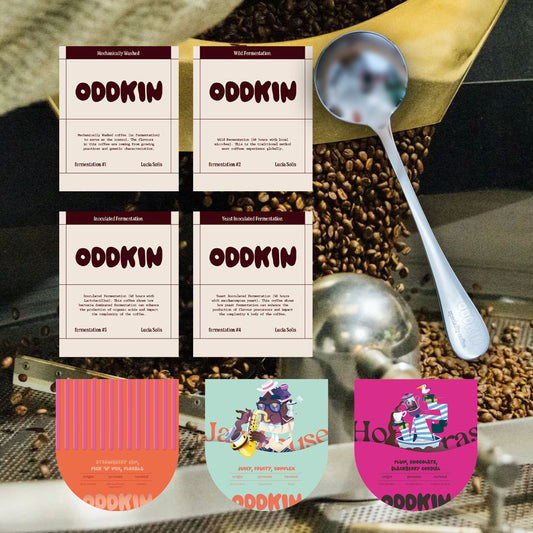
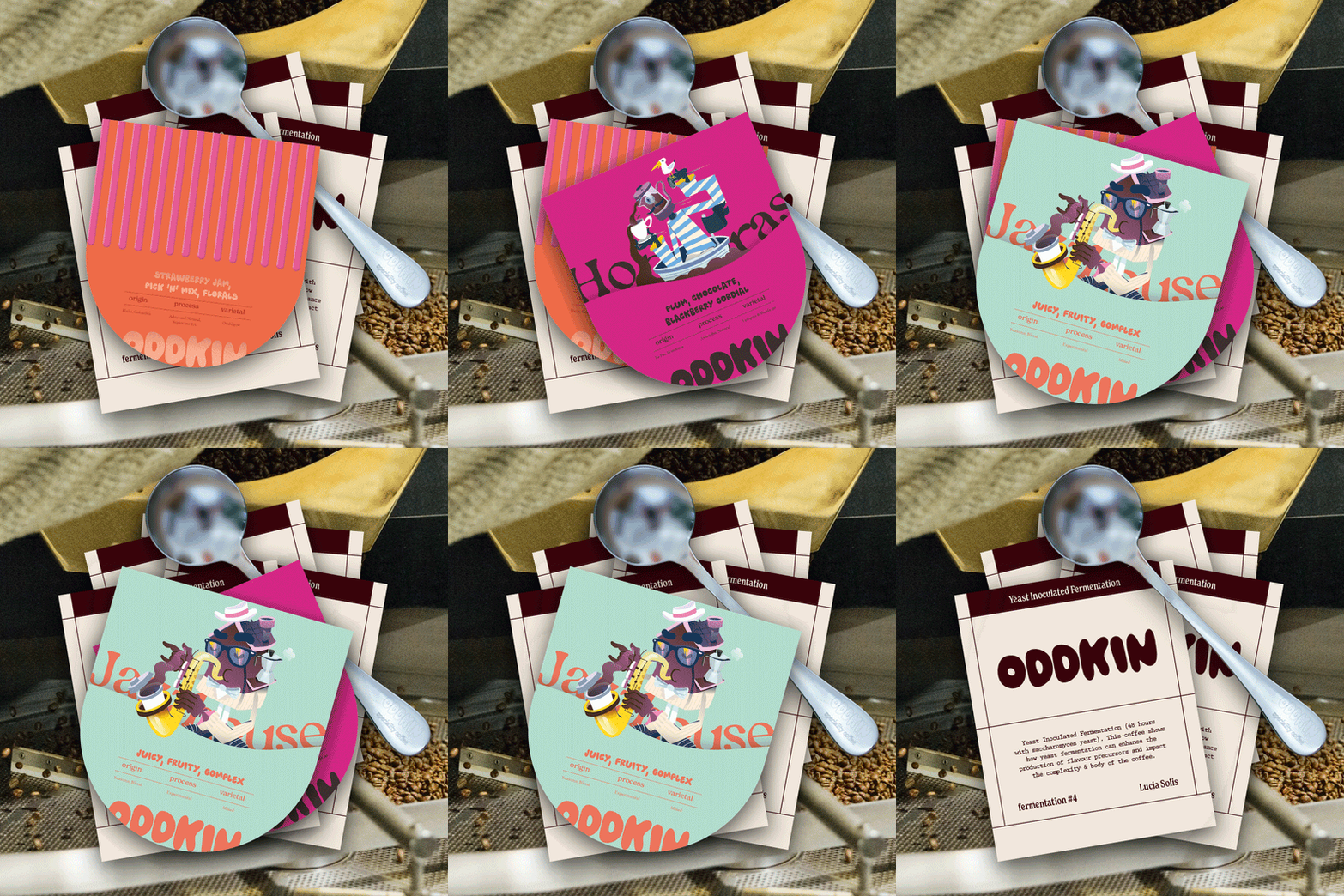
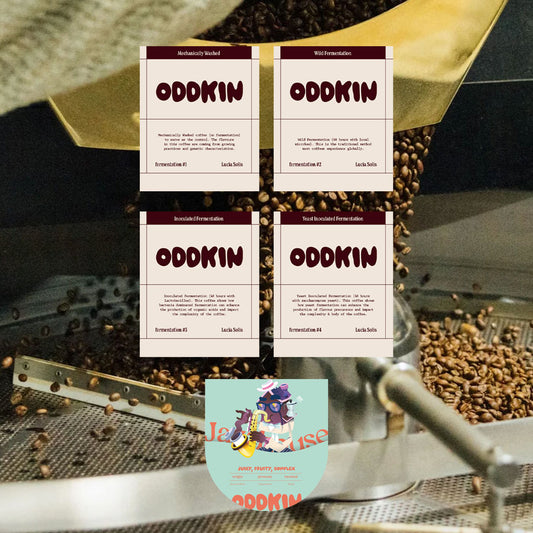
Discover four unique fermentation approaches, each showcasing Guatemala coffee through a different lens. Rooted in traditional methods and guided by intentional control, this tasting explores how fermentation can shape flavour, aroma, and clarity in the cup.
Spend £35 for free shipping
Spend £35 for free shipping
Spend £35 for free shipping
Spend £35 for free shipping


Trusted by 1,000's of customers
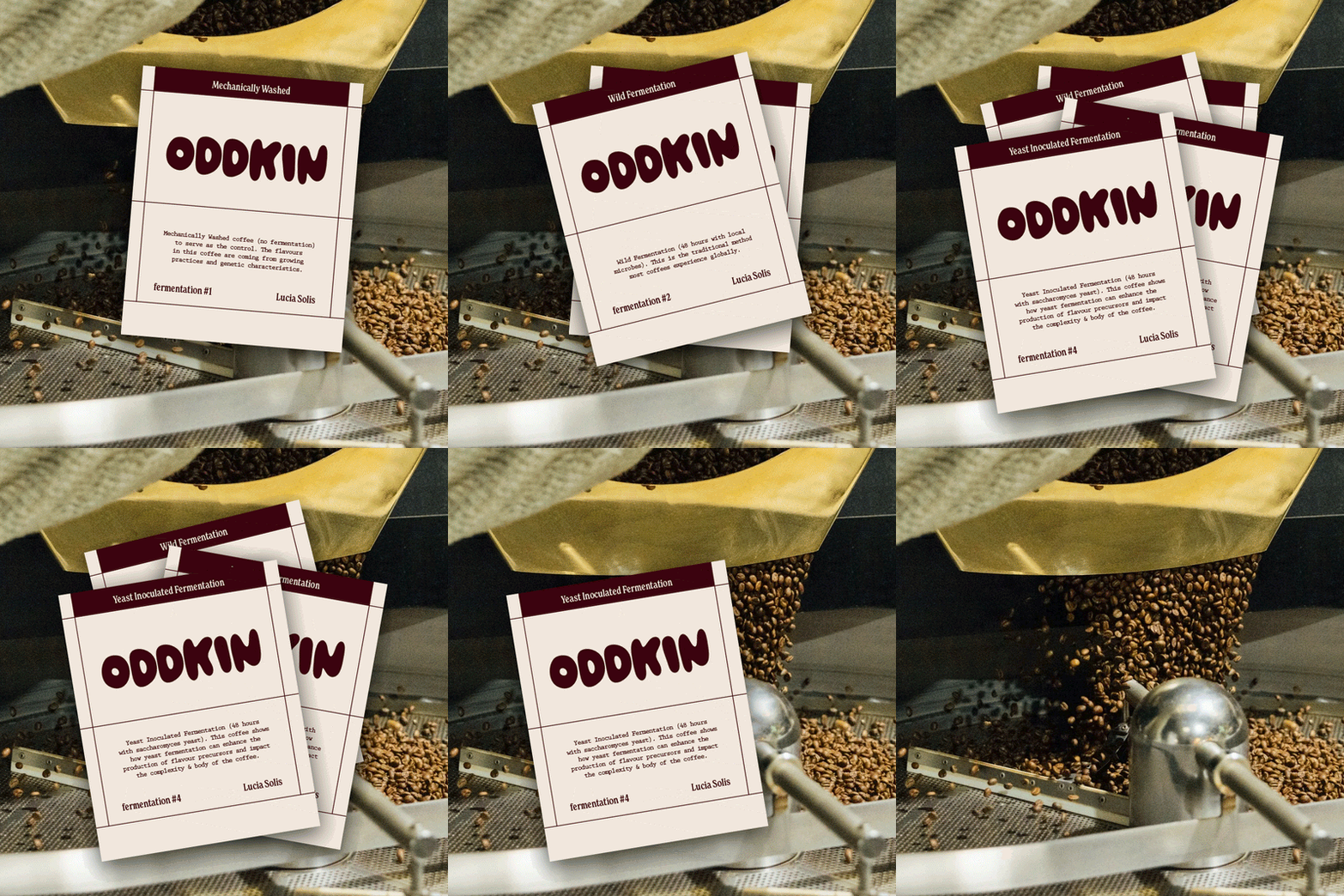
Mechanically Washed
Wild Fermentation
Inoculated Fermentation
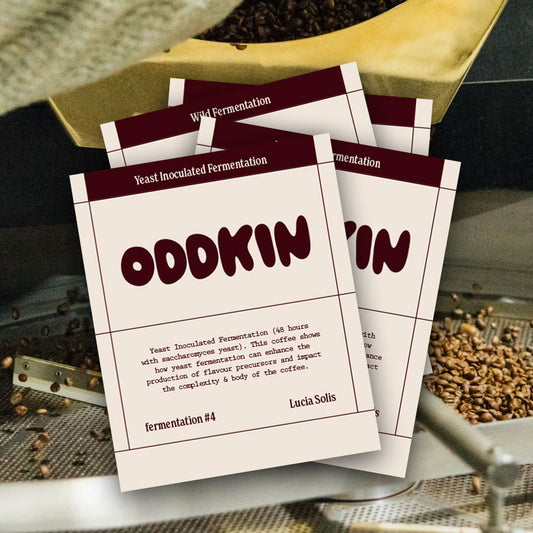
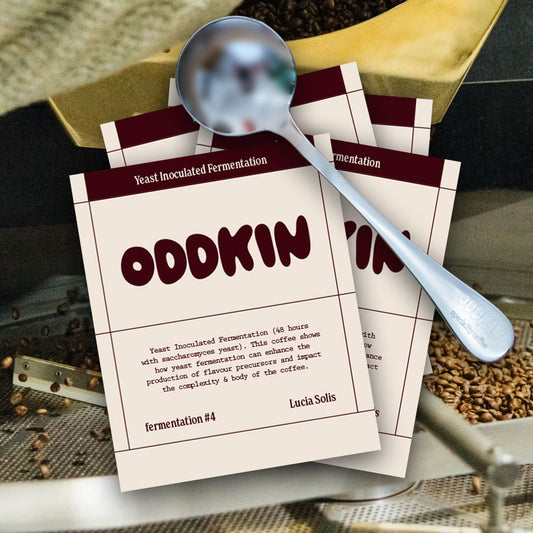
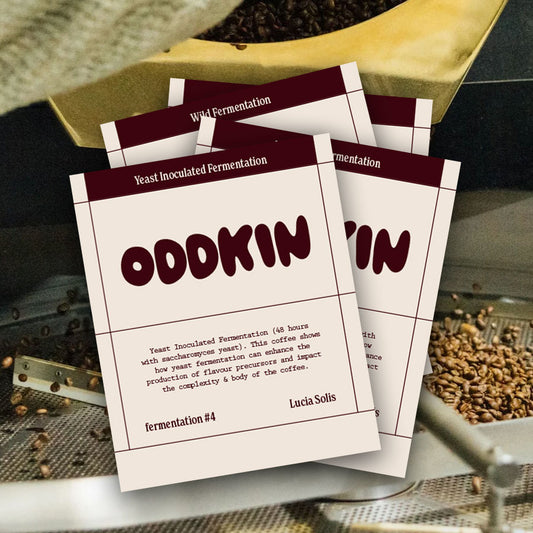
Yeast Inoculated Fermentation
Why get involved in the
Fermentation Project
Learn a little more about the fermentation processes behind these beans

Mechanically Demucilaged
This coffee serves as the control. No fermentation, so you can compare it to the other fermented coffees.

Wild Fermentation
48 hour submerged fermentation with local, wild microbes. This is the traditional method where the mucilage is removed by the local microbe population.

Lactobactillius Inocculated
48 hour submerged
fermentation with Lactobacillus.
The bacteria enhances the production of organic acids and impacts the brightness and
RAVELA complexity of the coffee.

Yeast Innoculated
48 hour submerged fermentation with saccharomyces yeast. The yeast enhances the production of flavour precursors and impacts the body and complexity of the coffee.
Fermentation Consultant
Lucia Solis
Lucia studied Viticulture and Enology at the University of California, Davis, specializing in microbiology and fermentation science. She spent nine years working in wine production in Napa Valley before transitioning her focus to coffee in 2014.
Today, she is a coffee fermentation and processing specialist with over 12 years of international experience, having worked alongside producers in more than 15 countries.
Lucia supports coffee producers in rethinking processing as a strategic opportunity to add value and reduce risk at the wet mill. Her work centers on simplifying and streamlining protocols from fermentation through drying, creating greater clarity and operational control.
By applying microbiological principles, she helps producers develop reproducible cup profiles while bringing stability to one of the most variable stages of coffee production. Her approach emphasizes scientific rigor combined with practical simplicity — ensuring that innovation remains accessible and scalable.

